Why Standard Hotel Rooms Feel Broken After You've Stayed at a Ryokan
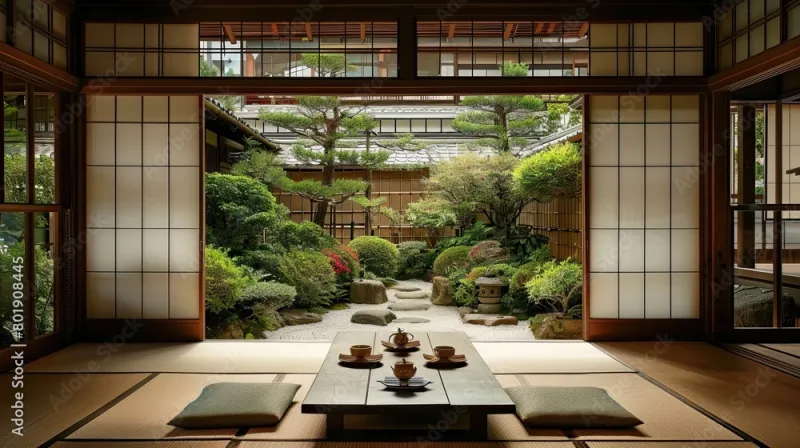
Photo: American traveler relaxing in traditional Japanese ryokan room tatami floor, via as1.ftcdn.net
Marcus Heller had been a Marriott Bonvoy loyalist for eleven years. He knew how to work a hotel room — which side of the bed got better Wi-Fi, how to fold a pillow just right, how to ignore the hum of the HVAC unit that every American hotel seems to run at the same frequency as mild anxiety. He was good at hotels.
Then he spent four nights at a ryokan in Kinosaki Onsen, and now he can't stop staring at his hotel room ceiling in Denver wondering why everything feels so wrong.
"It's not that the room is bad," he said, sitting in the lobby of a perfectly adequate Hyatt during a work trip. "It's that it feels like a room designed for someone who doesn't exist. Like, who is this for?"
This is the thing nobody warns you about before you book your first ryokan stay. The experience doesn't just give you a good night's sleep. It recalibrates you.
What a Ryokan Actually Does to Your Brain
When you walk into a traditional Japanese inn, your nervous system starts doing something unusual: it settles. The tatami underfoot absorbs sound. The shoji screens diffuse light instead of blocking it with blackout curtains that feel like sensory deprivation. The room smells like cedar and something faintly green — hinoki, or fresh tatami, or the ghost of incense from earlier in the day. There's almost nothing in the room, and yet nothing feels missing.
Sleep researchers and environmental psychologists have a term for spaces that reduce cognitive load — environments where your brain doesn't have to work to filter out competing stimuli. Ryokan rooms are basically a masterclass in this. Low furniture keeps your sightlines calm. Neutral, earthy palettes don't demand your attention. The absence of a television mounted like a shrine on the opposite wall means your eyes don't automatically drift to a black rectangle waiting to be activated.
You don't realize how much a standard hotel room asks of you until you've slept somewhere that asks for almost nothing.
The Things People Miss Most
Talk to enough returning ryokan guests and patterns emerge fast.
The silence. Not just quiet — actual silence, or something close to it. Ryokans tend to be built with sound in mind, and traditional construction materials are surprisingly effective at keeping the world outside where it belongs. Compare that to the average American hotel, where you can hear the ice machine from three doors down, the elevator ding at 2 a.m., and your neighbor's television through walls that seem to be made of optimism and drywall.
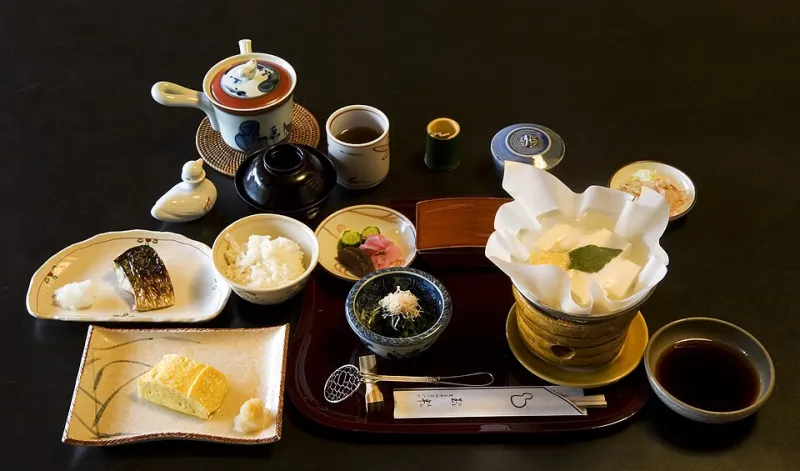
The absence of choice. This one surprises people. At most ryokans, dinner is kaiseki — a set menu, coursed out, timed to perfection. You don't scroll through Grubhub. You don't agonize over the room service menu. You sit down, and the meal comes to you, and it is extraordinary. Back home, staring at a laminated hotel menu with seventeen options and a QR code that leads to a PDF, travelers describe a specific kind of fatigue that didn't used to bother them.
The futon situation. Yes, really. Sleeping on a properly laid futon on tatami — with the right firmness, the right weight of the duvet, the right pillow — is a different physiological experience than a pillow-top mattress surrounded by six decorative cushions you immediately throw on the floor. Multiple travelers described waking up in their ryokan feeling like their spine had been quietly repaired overnight.
The yukata. That simple cotton robe you wear to dinner, to the onsen, back to your room. It sounds small. It isn't. There's something about moving through an evening without real clothes that signals to your body: this time is yours. The sweatpants-and-hotel-robe combo at a Sheraton just doesn't land the same way.
The Hospitality Gap Is Real
American hotels are, broadly speaking, very good at delivering a consistent product. Clean rooms, functional amenities, loyalty points, express checkout. What they're not designed for — and have never really claimed to be — is making you feel genuinely cared for as an individual.
Ryokan hospitality, rooted in the Japanese concept of omotenashi, operates from a completely different premise. The goal isn't your satisfaction with a product. It's your wellbeing as a person. Your okami — the innkeeper — may remember that you mentioned a bad knee when you checked in, and quietly ensure your room is on the ground floor without you ever having to ask again. Your meals might be adjusted based on something you said offhandedly at breakfast.
Once you've experienced that level of attentiveness, the transactional cheerfulness of a hotel front desk hits differently. It's not that the staff are doing anything wrong. It's that you've recalibrated what hospitality can feel like when it's truly intentional.
You Can't Unknow What You Know
Jennifer Okafor, a travel writer based in Atlanta, put it plainly: "I used to think a good hotel was about the thread count and the shower pressure. Now I walk into a hotel room and I'm immediately cataloging everything that's competing for my attention. The carpet pattern. The mini-bar stocked with things I'll never want. The generic art that's trying so hard to be inoffensive that it becomes offensive. I never noticed any of this before Japan."
That's the thing about ryokan stays — they don't just give you a great memory. They give you a new lens. And once you're seeing through it, you can't really take it off.
This isn't a case for abandoning hotels entirely. Business travel exists. Budgets exist. Not every trip to Cleveland is going to involve a kaiseki dinner and a cedar soaking tub. But understanding why you feel vaguely dissatisfied after a perfectly fine hotel stay is useful information. It means you've learned something about what rest actually requires — and that the baseline you used to accept isn't necessarily the baseline you have to live with.
What You Can Actually Do About It
The most obvious answer is to build more ryokan stays into your travel plans. Even one night at a traditional inn — and there are options across a wide range of price points — can serve as a reset that carries forward into the rest of a trip. Plenty of travelers now structure their Japan itineraries around anchoring ryokan nights rather than treating them as a novelty splurge at the end.
Beyond that, some returnees have started making small adjustments at home: clearing surfaces, sleeping with less, choosing restaurants with set menus when they can find them, just to approximate the low-decision-load feeling they had in Japan. It's imperfect, obviously. But it points to something real.
The ryokan doesn't just show you a better room. It shows you a better version of what rest could look like — and that's the kind of thing that tends to stick around long after you've unpacked.