Stop Choosing. Start Living: What Happens When a Japanese Inn Takes the Menu Away
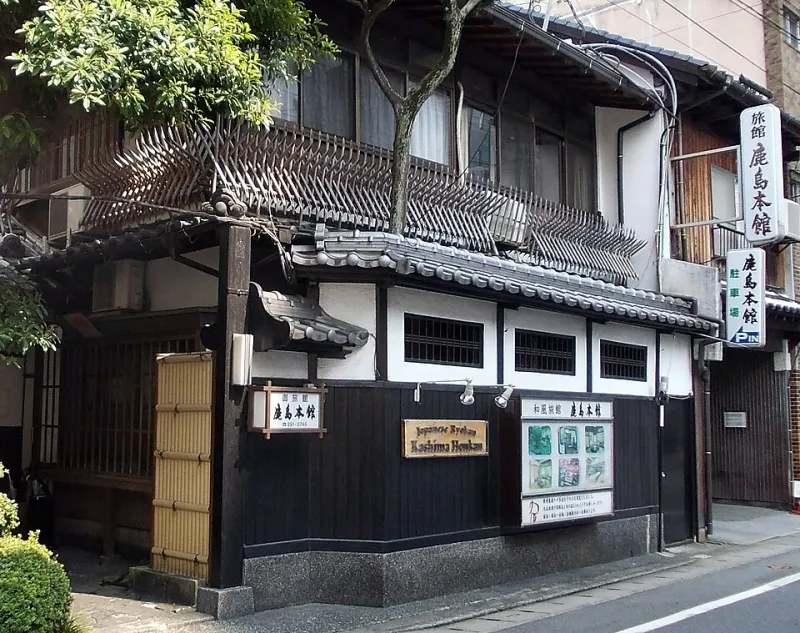
Kayla from Denver had a minor meltdown on her first evening at a small ryokan outside Kyoto. Not because anything went wrong — but because nothing required her input.
"They told me dinner was at 6:30," she recalls. "I asked if I could do 7. They said no, very politely, but no. I asked what was on the menu. They said it was kaiseki — seasonal, set, already prepared. I asked if I could swap out one of the dishes because I'm not big on fish roe. They smiled and said they'd note it, but the meal was the meal."
She laughs now telling the story. "I genuinely didn't know what to do with myself. I've been to restaurants where I've spent twenty minutes just reading the cocktail list. And here I was, being told: sit down, it's handled."
By night three? She never wanted to make a restaurant decision again.
America Runs on Options
It's worth stepping back for a second to understand just how deeply choice is baked into American travel culture. We have hotel apps that let us pick our exact floor, our pillow firmness, our check-in time to the half hour. Restaurant menus now span multiple laminated pages with modifications listed in fine print. Even "all-inclusive" resorts give you fourteen pool bars and a choice of five buffet stations.
We've been trained — by consumer culture, by hospitality marketing, by the sheer volume of available options — to equate choice with quality. More options means more respect for the customer. Fewer options means the place doesn't care.
Japan, specifically the traditional ryokan, operates on a completely different philosophy. And it takes most American guests a day or two to stop fighting it.
What a Ryokan Actually Controls (And Why)
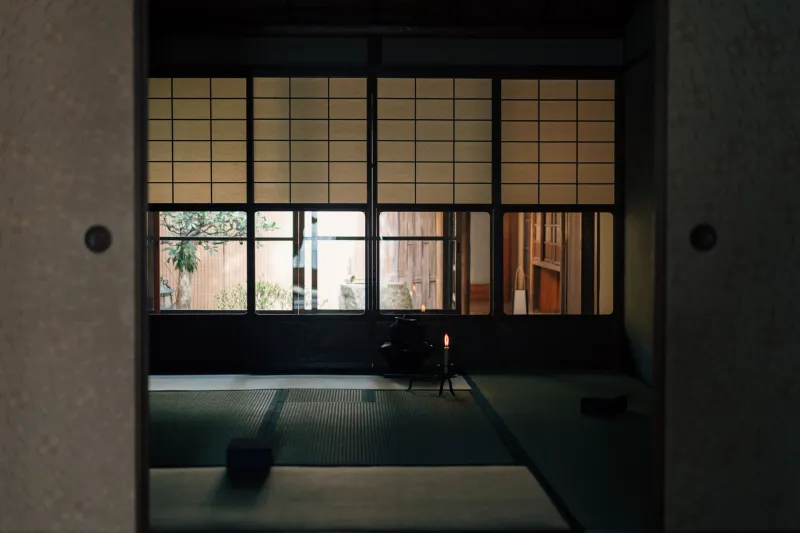
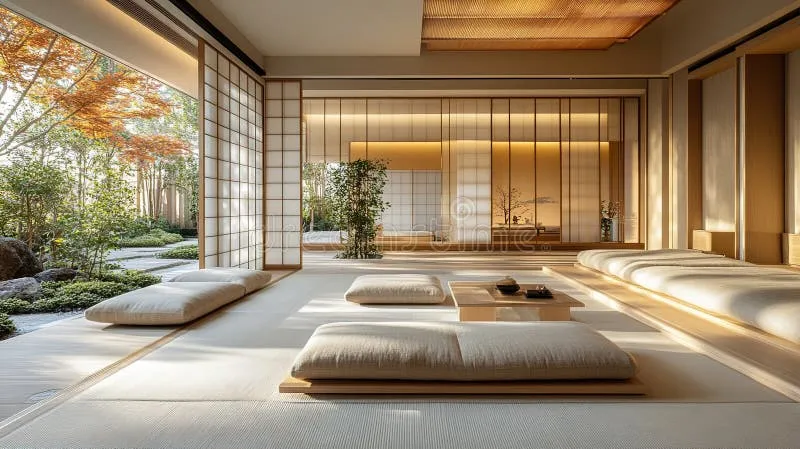
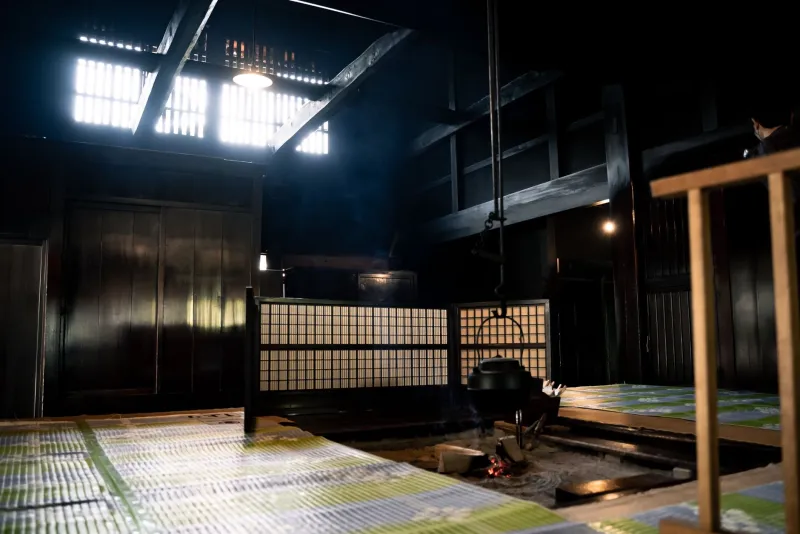
When you book a ryokan — especially a traditional one — the experience is largely pre-decided. Your room will be a tatami-floored space with a futon laid out by staff at a specific time. Dinner is kaiseki, a multi-course meal built around whatever's in season, sourced locally, and prepared according to the inn's own culinary tradition. Breakfast follows a similar structure. Onsen hours may be divided by gender or reserved for private use at specific windows. Even the yukata robe you wear is provided.
None of this is laziness or indifference on the inn's part. It's the opposite. The ryokan has spent years — sometimes generations — refining exactly this experience. The set meal isn't a limitation; it's a statement of craft. The fixed schedule isn't inflexibility; it's the structure that makes the whole thing work beautifully.
The inn is saying, in essence: we've thought about this more than you have. Trust us.
The Science Behind Why It Actually Feels Better
There's a well-documented psychological phenomenon called decision fatigue. The more choices we make throughout the day, the worse our decision-making gets — and the more mentally exhausted we feel. Studies have shown that even trivial decisions (what to order, what to wear, where to sit) drain cognitive resources that we'd otherwise spend on things that actually matter.
Ryokans, without ever reading a psychology paper, have been solving this problem for centuries.
When you arrive and the choices are already made — room, meal, schedule — your brain gets a genuine rest. Not the performative rest of scrolling your phone in a hotel bed, but actual mental decompression. You stop planning. You stop optimizing. You just inhabit the moment you're already in.
Mark, a project manager from Chicago who travels to Japan every two years, puts it plainly: "I run a team of twelve people. My whole job is decisions. When I'm at a ryokan and someone just brings me food and tells me where the bath is, I feel like I've been handed a gift. I don't have to be the guy who figures things out for a few days. That's worth every penny."
The Moment the Resistance Breaks
Almost every traveler who's had this experience describes a specific turning point — a moment when the frustration of limited control tips over into relief.
For Kayla, it was the second dinner. "I stopped trying to mentally modify the meal before it arrived. I just started eating. And it was extraordinary. Every single dish. I would never have ordered half of it on my own, and I would have missed it completely."
For others, it's the onsen schedule. Being told you can soak from 4 to 6 PM sounds like an arbitrary rule until you're actually sitting in that cedar-lined bath at 4:15, watching steam drift over a garden, and realizing there's nowhere else you're supposed to be and nothing else you're supposed to decide.
The constraint, it turns out, is the experience.
What This Teaches You to Take Home
This is where the ryokan stop becomes something more than a nice travel memory. The travelers who come back most changed aren't just the ones who had a beautiful trip — they're the ones who internalized something.
The lesson isn't "have fewer options." It's more nuanced than that. It's about recognizing when the pursuit of personalization is actually getting in the way of presence. When you're so busy customizing the experience that you're not having it.
Back in the US, that might look like picking one restaurant instead of spending an hour on Yelp. It might look like booking a fixed itinerary instead of leaving everything open-ended and then anxiously filling the void. It might just look like letting someone else pick the movie for once.
Japan's traditional inns have a word adjacent to this idea: ma. It refers to negative space — the pause, the gap, the emptiness that gives meaning to what surrounds it. A ryokan's curated constraints create a kind of ma in your decision-making. The absence of choice becomes the space where actual experience can happen.
How to Lean Into It on Your Own Trip
If you're booking a ryokan stay and want to actually get the most out of this dynamic, a few practical things help:
Don't try to negotiate the structure before you arrive. Ask about serious dietary restrictions, yes — most ryokans are genuinely accommodating of allergies and hard limits. But don't arrive trying to redesign the experience. That's working against the whole point.
Give it at least two nights. The first night you're still in tourist-brain mode, cataloguing everything. The second night is when you actually relax into it.
Resist the urge to research the meal in advance. Let it surprise you. The kaiseki tradition is built on seasonal discovery — knowing every dish beforehand flattens that.
Put the phone away during dinner. Seriously. This one's harder than it sounds, but the meal deserves full attention. It was made for you, specifically, tonight. It won't exist again.
Kayla's last night at the ryokan, she sat in the garden after dinner in her yukata, drinking green tea that had appeared on her tray without her asking. No decision had been required of her in hours.
"I felt like a person again," she says. "Not a consumer. Just a person sitting in a garden in Japan, drinking tea someone made for me. That's it. That was everything."
Sometimes the best thing a place can give you is the chance to stop choosing — and just be there.