They Knew What You Needed Before You Asked: The Magic of Omotenashi at Japan's Traditional Inns
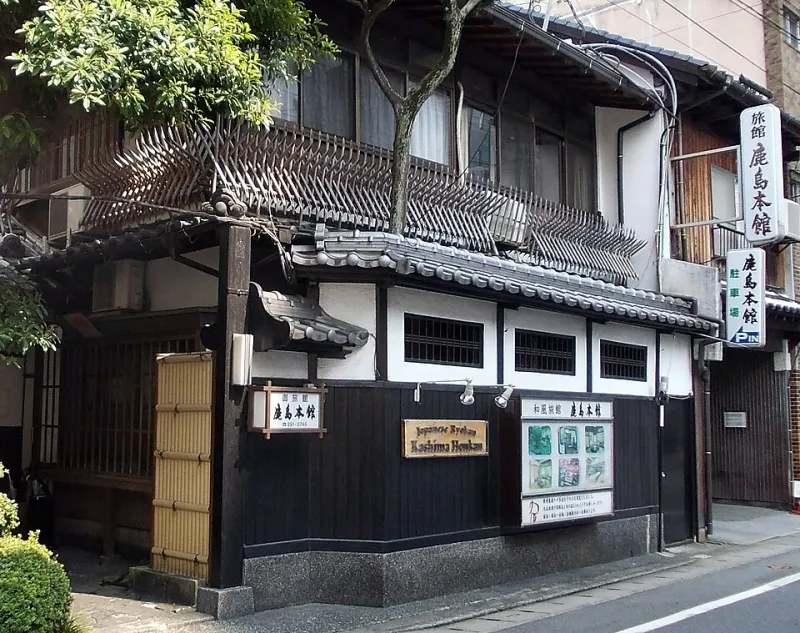
Photo: STA3816, CC BY-SA 3.0, via Wikimedia Commons
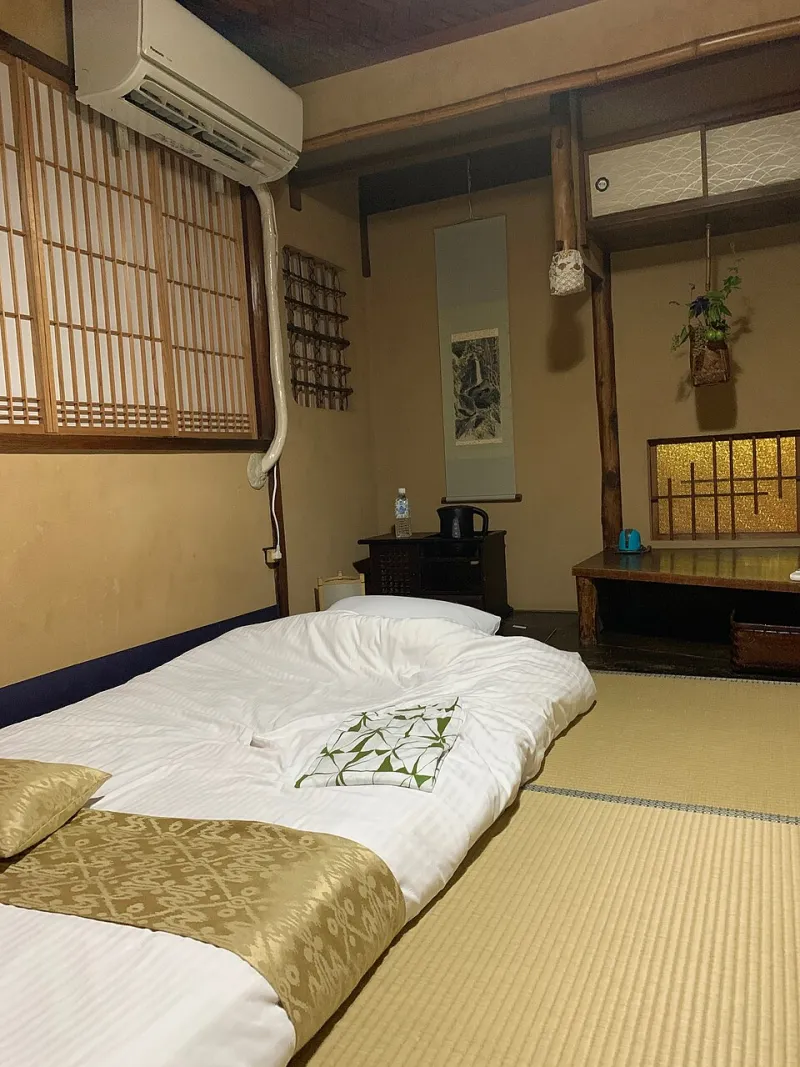
You walk into your room after a long day of sightseeing. Your shoes have been quietly turned around at the entrance, facing the door so you can slip out easily. A cup of matcha sits on the low table, still steaming. The yukata robe laid out for you is the right size—somehow. Nobody asked. Nobody made a fuss. It just happened.
This is omotenashi. And once you've experienced it, a standard hotel checkout with a laminated welcome card and a $28 minibar Snickers feels like a completely different universe.
So What Exactly Is Omotenashi?
The word itself is hard to pin down in English—which is actually part of what makes it so interesting. It loosely translates to "wholehearted hospitality," but that definition misses the texture of it. Omotenashi isn't just being polite or attentive. It's about anticipating what a guest needs before they realize they need it, and offering that care without expecting anything in return—not even acknowledgment.
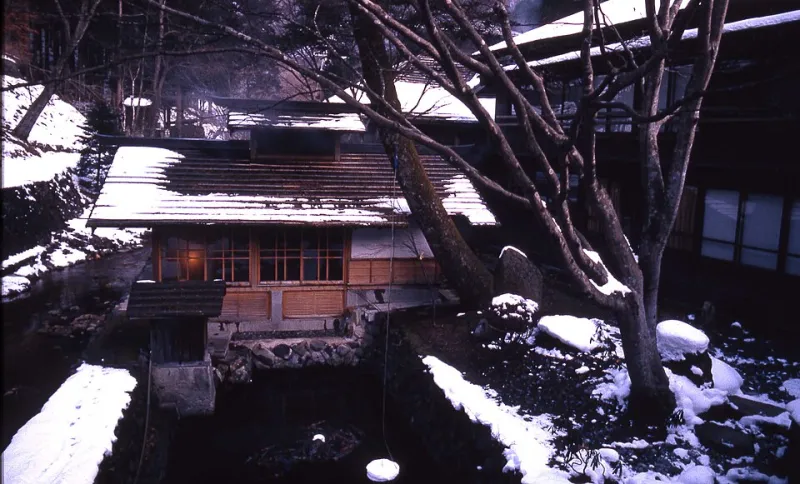
The concept has roots in the Japanese tea ceremony tradition, where hosts would spend days preparing for guests, considering every detail of the experience from the temperature of the room to the weight of the ceramic cup in a visitor's hands. That same spirit has carried forward into the way traditional ryokans and country inns across Japan operate today.
At a ryokan, the staff member who greets you—often called the nakai-san, or personal attendant—may be the same person who serves your dinner, prepares your futon, and brings your morning tea. Their role isn't transactional. It's relational.
What American Travelers Actually Experience
For a lot of Americans, the first encounter with omotenashi feels almost disorienting—in the best possible way. We're used to service that responds to requests. You ask for extra towels, you get extra towels. You ask where the gym is, someone points. That's competent hospitality, and it works fine.
But omotenashi operates on a different frequency. It observes. It remembers. It acts before the ask.
Travelers who've stayed at traditional inns through On Yado often describe a moment early in their stay where something clicks. Maybe the staff noticed they lingered near the window and arranged their evening meal so they'd have that same view. Maybe they mentioned offhand that they had a cold, and a small dish of ginger appeared with dinner. These aren't scripted amenities. They're genuine attention.
That distinction matters enormously to American visitors who've grown a little weary of hospitality that feels like a performance—the rehearsed "my pleasure," the loyalty points pitch at checkout. Omotenashi doesn't perform. It simply cares.
The No-Ego Element
Here's where it gets philosophically interesting. In Western service culture, exceptional hospitality often comes with some visibility. The server who remembers your name gets acknowledged. The concierge who scored impossible reservations wants you to know they pulled strings. There's a social exchange happening.
Omotenashi deliberately removes that exchange. The host isn't seeking credit or reciprocity. The gesture isn't meant to be noticed as a gesture—it's just meant to make your experience better. This selflessness is baked into the concept at a pretty deep level.
For American travelers who've been burned by "premium service" that turned out to be an upsell in disguise, this no-strings-attached approach can feel genuinely radical. People describe feeling trusted at a ryokan in a way they don't at a resort. You're treated like a guest in someone's home, not a revenue unit in a hospitality model.
Why Traditional Inns Are the Right Setting for This
You can find thoughtful service at high-end hotels in Japan too. But omotenashi at its richest is really a product of the small, personal scale of a traditional inn. A ryokan with ten rooms can actually know you. The owner might personally greet you at the entrance. The nakai-san who serves your kaiseki dinner has time to notice how you eat, what you linger over, what you skip.
That intimacy is structural. It's not a brand value—it's a function of how these places are built and run. Many ryokans have been in the same family for generations, and the philosophy of care gets passed down alongside the recipes and the room keys.
When you book through a platform like On Yado, you're not just reserving a bed. You're stepping into a tradition of hospitality that predates the modern hotel industry by several centuries. That's a different kind of accommodation entirely.
How to Actually Receive Omotenashi Well
Here's a tip that doesn't get talked about enough: omotenashi works best when you show up with a little openness and patience. American travelers sometimes feel uncomfortable receiving attentive service without directing it—we're used to being in charge of our own experience. At a ryokan, try letting the rhythm of the inn guide you a bit.
If your nakai-san asks about your preferences for dinner timing or bath temperature, answer honestly. If they offer something you didn't request, receive it graciously. You don't need to tip (tipping isn't customary at most traditional inns in Japan and can actually create awkwardness). A sincere thank-you, offered with eye contact and a small bow, lands perfectly.
And if something doesn't quite land the way you hoped—maybe the room temperature is off or you're not sure how to use the in-room bath—just ask. Omotenashi is about genuine care, and genuine care includes wanting to get it right.
The Reason People Come Back
Talk to American travelers who've done the ryokan experience even once, and you'll notice something: they almost always want to go back. Not just to Japan, but specifically to that inn, or at least to that type of inn. The food was great. The onsen was incredible. But what they actually remember most is how they felt—seen, taken care of, welcomed without conditions.
That emotional residue is the real product of omotenashi. It's not a service feature. It's a feeling that sticks around long after the jet lag fades. And honestly, it's one of the best reasons to skip the business hotel on your next Japan trip and find a yado that knows your name before you've even unpacked.