Forget the Hotel Points: Why Savvy American Travelers Are Falling Hard for Japan's Ryokan Inns
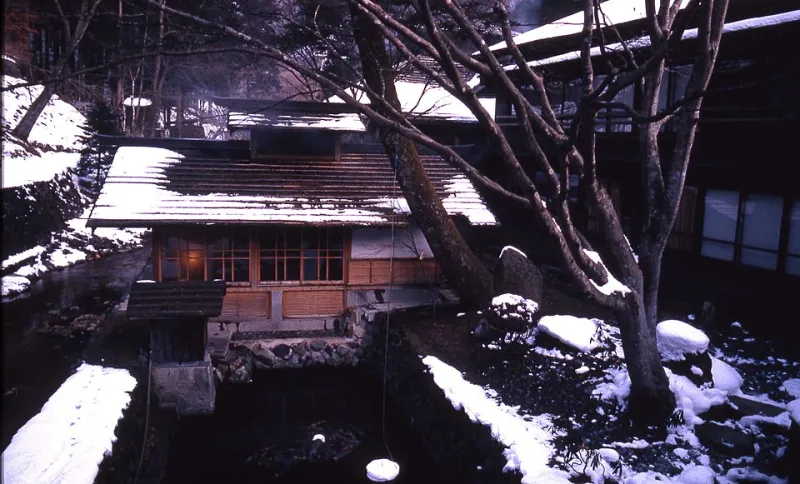
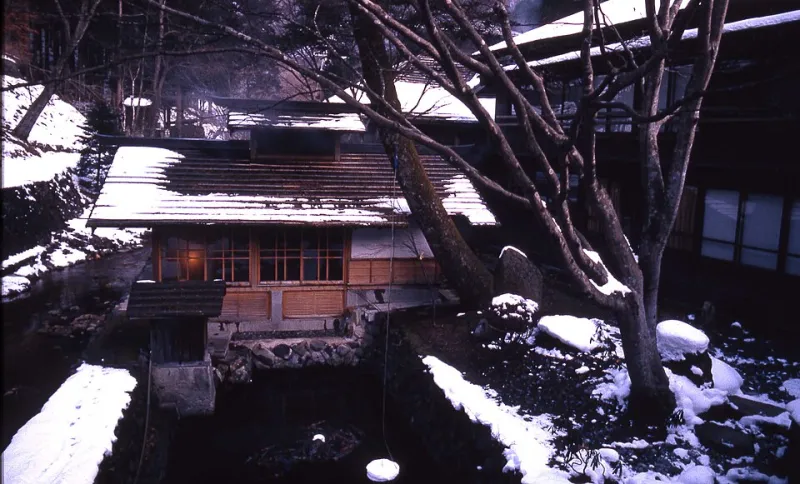
Photo: Akiyoshi's Room, Public domain, via Wikimedia Commons
The Hotel Lobby Isn't Cutting It Anymore
You've done the Marriott. You've done the Hilton. You've even splurged on a boutique hotel in Tokyo's Shinjuku district with a rooftop bar and a very photogenic lobby. And yet, somewhere between the complimentary coffee pods and the checkout email receipt, something felt missing.
For a growing number of American travelers, that missing thing has a name: ryokan.
These traditional Japanese inns — some dating back hundreds of years, many still operated by the same family across multiple generations — are quietly becoming the most sought-after accommodation experience in Japan. Booking platforms are tracking the surge. Travel forums are buzzing. And people who've stayed in one tend to talk about it the way others describe a first trip to the Grand Canyon or a night under the stars in Moab. Not just as a place they slept, but as something that got under their skin.
So what exactly is going on?
What a Ryokan Actually Is (And Isn't)
Let's clear something up first. A ryokan isn't just a hotel with tatami mats and sliding doors, though those are part of it. It's an entire hospitality philosophy — one that the Japanese call omotenashi, a concept of selfless, anticipatory service that goes so far beyond the transactional experience of modern lodging that it barely belongs in the same category.
When you check into a ryokan, you're typically greeted by staff in kimono who escort you to your room — a serene, minimally furnished space where the floor is woven rush grass, the bed is a futon rolled out each evening, and the walls might frame a view of a moss garden or a mountain stream. You'll be offered seasonal sweets and tea. You'll change into a yukata, a casual cotton robe, and wear it for the rest of your stay — to dinner, to the communal hot spring bath, even for a stroll around the inn's grounds.
Dinner — often included in the room rate — is a multi-course kaiseki meal, a highly ritualized form of Japanese cuisine that reflects the season, the region, and the chef's particular philosophy. Breakfast the next morning is equally considered: grilled fish, miso soup, pickled vegetables, soft-boiled egg, and rice, all served in your room or a small dining area.
This is not a continental breakfast situation.
First-Hand: What American Guests Are Actually Saying
Amanda Reyes, a teacher from Portland, Oregon, had never considered staying anywhere other than hotels on her first trip to Japan. A friend convinced her to book two nights at a small ryokan in Hakone, about an hour outside Tokyo, as a kind of experiment.
"I cried at breakfast," she says, laughing at herself a little. "Not because anything sad happened. I think it was just — the care of it. Someone had arranged my meal like it was a piece of art. I was sitting by a window looking at Mount Fuji, wearing a robe, eating the best miso soup of my life. I didn't want to leave."
Her experience isn't unusual. On travel forums like Reddit's r/JapanTravel and TripAdvisor communities, ryokan reviews from American guests frequently use language you don't often see in hotel write-ups: humbling, meditative, spiritual, like being welcomed into someone's home.
For Marcus Webb, a software engineer from Austin who visited Japan with his wife for their tenth anniversary, the draw was partly curiosity and partly a deliberate effort to do something different. "We'd done the big hotels before on other trips. We wanted Japan to feel like Japan, not like a nice hotel that could be anywhere."
What he didn't expect was how the structure of ryokan life would slow him down. "There's no gym. No bar. No pool. The whole point is to be still. We soaked in the onsen, had dinner, went to bed early. I slept better than I have in years."
Why Family-Run Inns Offer Something Corporate Hotels Simply Can't
Dr. Keiko Tanaka, a cultural anthropologist who has studied Japanese hospitality traditions at Kyoto University, puts it plainly: "A ryokan is not a business that happens to have a cultural aesthetic. It is a living cultural institution. The family that runs it is the custodian of a tradition that may be centuries old."
That distinction matters more than it might seem. In a corporate hotel, the experience is designed to be consistent — same check-in process, same room layout, same amenities across properties in Tokyo, Osaka, or Orlando. Consistency is the product. In a ryokan, the experience is inherently local, personal, and unrepeatable. The owner's grandmother's recipe is in the miso. The garden was planted by the owner's grandfather. The way the futon is folded reflects a technique passed down through training that no hotel manual can replicate.
This is what travelers are increasingly seeking — not just comfort, but context. A place that could not exist anywhere else.
The Ryokan Spectrum: There's One for Every Budget
One misconception worth addressing: ryokans aren't all wildly expensive. While some luxury inns in places like Kyoto's Higashiyama district or the hot spring towns of Tohoku can run several hundred dollars per person per night (meals included), there are also plenty of mid-range and budget-friendly options that still deliver the essential experience — the tatami room, the communal bath, the traditional breakfast.
For first-timers, a one- or two-night stay in a smaller, less expensive ryokan can be a perfect introduction. You don't need to commit to a full week of traditional lodging to understand why people get hooked.
On Yado exists precisely for this reason — to help travelers at every budget level find the right ryokan for their trip, whether that's a tucked-away family inn in rural Nagano or a celebrated historic property in Kyoto.
The Shift in How Americans Think About Travel
There's a broader cultural context here worth noting. American travelers, particularly those in the millennial and Gen X brackets who are now hitting peak travel years and spending power, have been steadily moving away from trophy tourism — the checklist approach of seeing landmarks and moving on — toward what travel writers have started calling immersive or experiential travel.
Ryokans fit this shift perfectly. You're not just visiting Japan. You're briefly inhabiting a version of it that most tourists never access. You're sleeping on the same type of bedding that Japanese families have used for centuries. You're eating food that tells the story of the region you're in. You're bathing in thermal waters that locals have used for generations.
That's not a hotel stay. That's a memory that stays with you.
Ready to Make the Switch?
If you've been on the fence about whether to book a ryokan on your next Japan trip, consider this your gentle nudge. Start with one or two nights. Pick a destination known for its hot spring culture — Hakone, Nikko, Beppu, or the Kinosaki Onsen town in Hyogo Prefecture are all excellent starting points for first-timers.
Bring an open mind, leave the itinerary a little loose, and let the rhythm of the inn take over.
You might find yourself crying at breakfast too. In the best possible way.