Hot Springs, Big Rules: Your No-Stress Onsen Guide Before You Soak in Japan
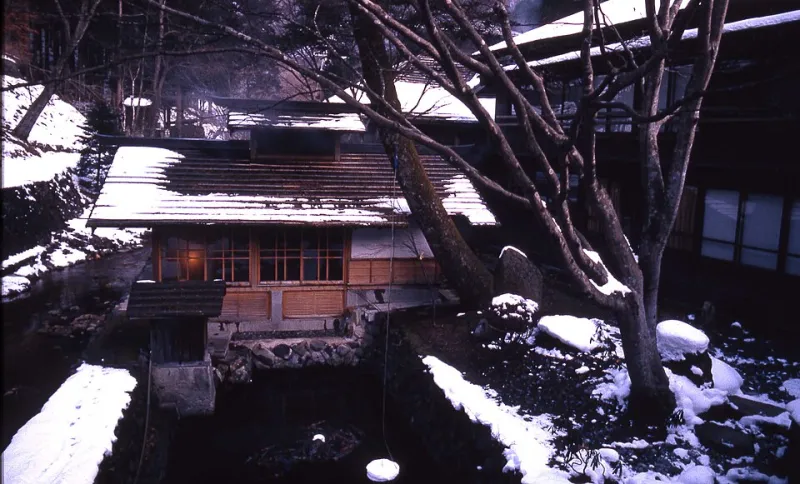
Photo: Akiyoshi's Room, Public domain, via Wikimedia Commons
The Part Nobody Talks About in the Brochure
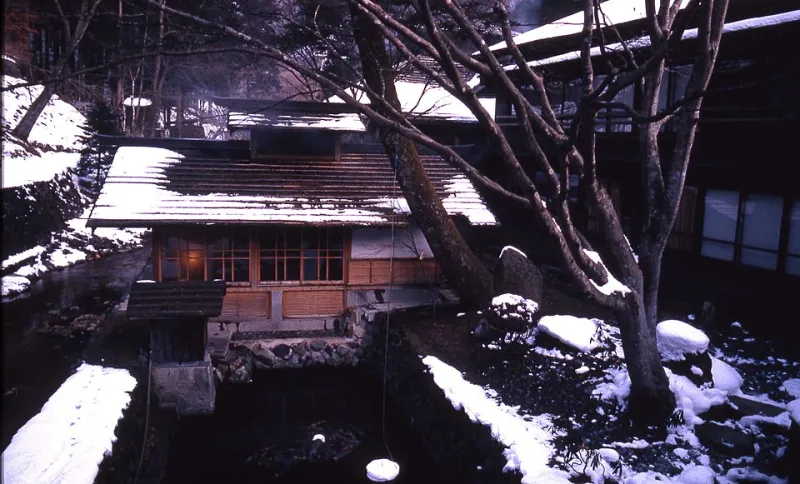
You've seen the photos. Mist rising off a steaming pool. Snow-dusted bamboo in the background. Someone looking impossibly serene, wrapped in a towel, gazing into the middle distance.
What the photos don't show is the moment right before — the mild panic of a first-timer standing at the entrance to a traditional Japanese bathhouse, wondering exactly what they're supposed to do next.
If that's you, take a breath. You're not the first American to feel this way, and you won't be the last. Onsen bathing has a set of customs that can feel unfamiliar at first, but once you understand the why behind them, the whole thing clicks into place. And then it becomes one of the best parts of any trip to Japan.
Let's walk through it.
First, What Actually Is an Onsen?
Japan sits on a volcanic archipelago, which means it is absolutely riddled with geothermal activity. There are more than 3,000 registered hot spring resorts across the country, and the waters at each one have a slightly different mineral composition — some are milky white with sulfur, some are clear and iron-rich, some are said to improve skin, joints, or circulation.
An onsen specifically refers to a natural hot spring bath. The word is regulated by Japanese law — the water has to meet specific temperature and mineral content standards to qualify. What you'll find at most ryokans and onsen towns are dedicated bathing facilities, often separated by gender, where guests soak communally in large pools. Some properties also offer kashikiri (private) baths that you can book exclusively for yourself or your group.
The practice of onsen bathing in Japan goes back over a thousand years. It's tied to Shinto purification rituals, Buddhist concepts of cleansing, and simple everyday wellness culture. When you step into one, you're stepping into something with real historical and spiritual weight.
Rule One (And It's Non-Negotiable): Shower Before You Soak
This is the big one. Before entering any onsen pool, you must wash yourself thoroughly at the small individual shower stations provided along the wall of the bathing area. We're talking full body wash — soap, shampoo, rinse, the works.
The logic is simple and actually pretty sensible: the onsen pool is shared water. Everyone who enters it should be clean. The shower stations are set up for exactly this purpose, with a low stool, a handheld showerhead, shampoo, and body wash usually provided.
Take your time here. Rinse completely. Don't rush into the pool. This step isn't optional, and skipping it is considered genuinely disrespectful to other bathers.
Leave the Swimsuit in Your Room
This one surprises most Americans. Traditional onsen bathing is done without clothing. Full stop. The pools are separated by gender at most facilities, and no swimwear is permitted — partly for hygiene reasons (the fabric can introduce detergents into the water) and partly because this is simply how it's done.
If the idea of communal nude bathing makes you nervous, you're not alone — it's one of the most common concerns among first-timers from the US. Here's what usually happens in practice: you walk in, you feel briefly self-conscious for about thirty seconds, and then you get in the water and realize nobody is looking at you, because everyone is just there to relax.
Japanese onsen culture is not voyeuristic. It's profoundly un-self-conscious. The body is just a body. The water is the point.
That said, if you're genuinely uncomfortable with communal bathing, many ryokans offer private onsen baths (kashikiri buro) that you can reserve for a set amount of time. This is a completely acceptable option, especially for first visits.
The Small Towel: What It's For (And What It's Not)
You'll typically be given a small towel — roughly the size of a hand towel — when you enter the bathing area. This is not for covering yourself in the water. It's for drying off between the shower station and the pool, or for folding neatly and resting on your head while you soak (a classic onsen move that looks a little odd but actually feels great).
The towel stays out of the pool. If you bring it in, other bathers will notice, and it's considered bad form.
Large towels are generally used in the changing room before and after your bath.
Keep It Quiet, Keep It Calm
Onsen spaces are not social hubs in the way that, say, a hotel pool in Cancún might be. They're closer to a spa environment — hushed, unhurried, contemplative. Loud conversation, splashing, or generally boisterous behavior is frowned upon.
This doesn't mean you can't speak at all. Quiet conversation is fine. But match the energy of the room, which is almost always calm and meditative. Put your phone away — photography in onsen facilities is strictly prohibited everywhere, and attempting to take photos is one of the fastest ways to get asked to leave.
Tattoos: Know the Policy Before You Go
This is an important one for many American travelers. Traditionally, tattoos have been associated with organized crime in Japan, and many onsen facilities still maintain a no-tattoo policy. If you have visible tattoos, it's worth researching the specific property before booking.
The good news is that this is changing, particularly in properties that cater to international visitors. Some facilities now offer tattoo-friendly hours or private bath options for guests with ink. On Yado's listings note tattoo policies where available, so you can filter for accommodations that work for you.
Regional Differences Worth Knowing
Not all onsen experiences are identical across Japan. In Oita Prefecture on Kyushu island — home to Beppu and Yufuin, two of Japan's most famous onsen towns — the culture around communal bathing is particularly deep-rooted and the facilities tend to be more rustic and local in character. In Hakone, near Tokyo, you'll find a mix of luxury ryokan onsen and public bathhouses catering to day-trippers.
In Kinosaki Onsen in Hyogo Prefecture, the tradition is to stay at a ryokan and then yumeguri — inn-hop between the town's seven public bathhouses in your yukata, using a pass provided by your inn. It's one of the most charming onsen experiences in Japan and a perfect introduction for first-timers who want to experience the culture in a more structured way.
Some outdoor onsen (rotenburo) are mixed-gender, particularly in more rural settings. These typically provide small towels for modesty. If you're unsure, ask your ryokan staff — they're used to explaining this to international guests and will appreciate you asking.
After Your Soak: The Ritual Continues
Once you're done bathing, dry off in the changing room and — if you're at a ryokan — put your yukata back on. Many inns serve cold water or barley tea near the baths, since the mineral-rich water is dehydrating. Drink it. Sit for a moment. Let your body cool down gradually before heading back to your room.
This post-soak wind-down is part of the experience. Rushing off immediately afterward kind of misses the point.
Why All of This Actually Matters
You might be wondering why a set of bathing rules deserves this much attention. Here's the honest answer: because following them signals something important.
When you enter an onsen and do it right, you're not just a tourist ticking a box. You're participating in a living tradition that connects you to how Japanese people have been caring for their bodies, their communities, and their sense of peace for over a millennium. The rules aren't bureaucratic hurdles. They're the shape of the culture itself.
And once you're in that water — steam rising around you, your shoulders finally unknotting, the sound of nothing but the trickle of a wooden ladle — you'll understand exactly why people build entire trips around this.
Welcome to the best part of Japan that nobody puts on a postcard.