Your Room Was Chosen For You — And It Knew You Were Coming
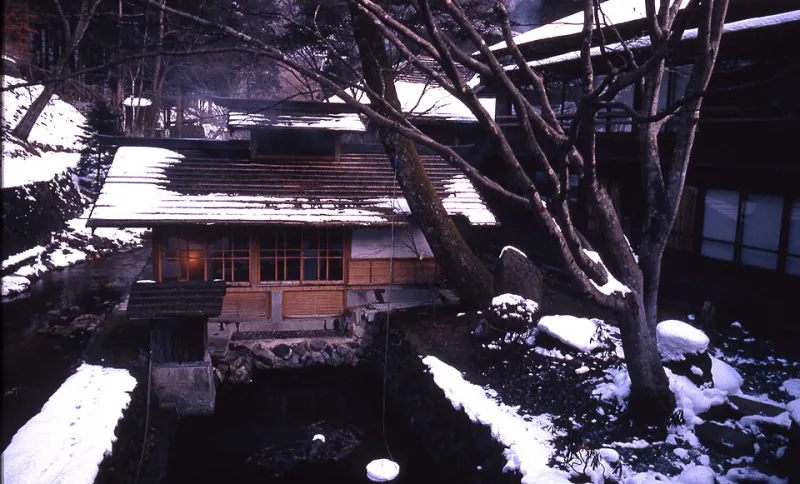
Photo: Akiyoshi's Room, Public domain, via Wikimedia Commons
Most of us book a hotel room the same way we pick a seat on an airplane. You scroll, you filter, you click. Maybe you splurge for the king bed or the city view. The room itself is more or less a commodity — a clean, neutral box you occupy for a few nights before moving on.
A ryokan doesn't work like that.
At Japan's traditional inns, the room you're assigned isn't random, and it isn't just about availability. It's a decision. Innkeepers — some of whom have spent decades reading guests the way a good sommelier reads a table — match travelers to spaces the way a casting director matches actors to roles. The room is chosen for you. And if you know what to look for, it'll tell you exactly what your host already understood about you before you ever walked through the door.
The Tokonoma: A Frame Built for the Moment
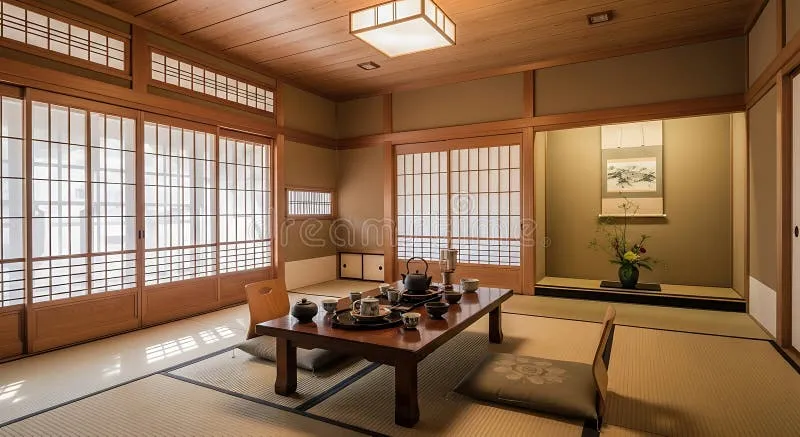
Every traditional ryokan room has a tokonoma — a recessed alcove that functions as the room's quiet focal point. It's not decorative in the way an art print above a hotel headboard is decorative. It's intentional in a much more layered sense.
The scroll hanging in that alcove — called a kakejiku — changes with the seasons, sometimes with the week, occasionally with the guest. A poem evoking early autumn rain. A brushstroke painting of chrysanthemums just coming into bloom. A single kanji character meaning "stillness" or "journey" or "welcome."
Innkeepers who've refined this practice over years will select a scroll that speaks to something about the moment — the time of year, the weather that morning, or sometimes something less tangible. A guest traveling alone after a loss. A couple celebrating a milestone. A first-time visitor to Japan who mentioned in their reservation notes that they love hiking.
You might not consciously register the scroll when you walk in. That's fine. It wasn't placed there to be noticed. It was placed there to be felt.
Seasonal Décor Isn't a Trend — It's a Philosophy
American travelers who've spent time at ryokans often describe a sensation they struggle to name. Something like being held by a space. The room feels alive in a way that's hard to explain when you're back home trying to tell someone about it.
A lot of that feeling comes from the deep commitment to seasonality that runs through traditional Japanese inn design. This isn't the kind of seasonal décor you see at a Pottery Barn — a few pumpkins in October, some pine cones in December. At a ryokan, the philosophy is called kisetsukan, and it's woven into almost every physical element of the room.
The lacquerware on your tea tray might feature a motif of spring plum blossoms if you're visiting in February — not because it's cute, but because those blossoms represent endurance and the quiet promise of warmth ahead. The color of your yukata robe might shift from deep indigo in the cooler months to a soft linen tone in summer. Even the incense your host burns before your arrival is chosen to evoke the correct emotional register for the time of year.
This isn't decoration. It's communication. The room is speaking a language you don't need to be fluent in to understand.
How Innkeepers Actually Match Guests to Rooms
Here's where it gets genuinely fascinating for anyone who's spent time thinking about hospitality as a craft.
Many ryokans — particularly the smaller, family-run properties that haven't scaled up into resort territory — have more than one room configuration, and not all of them are listed on the booking page with granular detail. Some face the garden. Some sit closer to the sound of a stream. Some have lower ceilings that feel more enclosed and intimate; others open onto wide views that feel expansive and freeing.
Experienced innkeepers use the information available to them — reservation notes, the nature of the occasion, whether guests are traveling as a couple or solo, sometimes even the tone of an email inquiry — to make a judgment call about which space will resonate. A guest who writes a brief, efficient booking message might be placed in a room with a cleaner aesthetic and fewer objects. Someone who asks detailed questions about the garden might find themselves in the room with the best moss view.
This isn't a science. It's closer to intuition that's been trained over thousands of guests and decades of observation. And it works in ways that feel almost uncanny when you experience it firsthand.
Furniture That Doesn't Crowd You
One of the first things American travelers notice about a traditional ryokan room is how little is in it. No desk loaded with branded stationery. No minibar. No TV mounted on a stand surrounded by charging cables. The room breathes.
This restraint is deliberate, and it connects to a concept called ma — the Japanese idea of meaningful negative space. What's absent from a room is just as important as what's present. The empty space isn't emptiness; it's room for the guest to exist without competition.
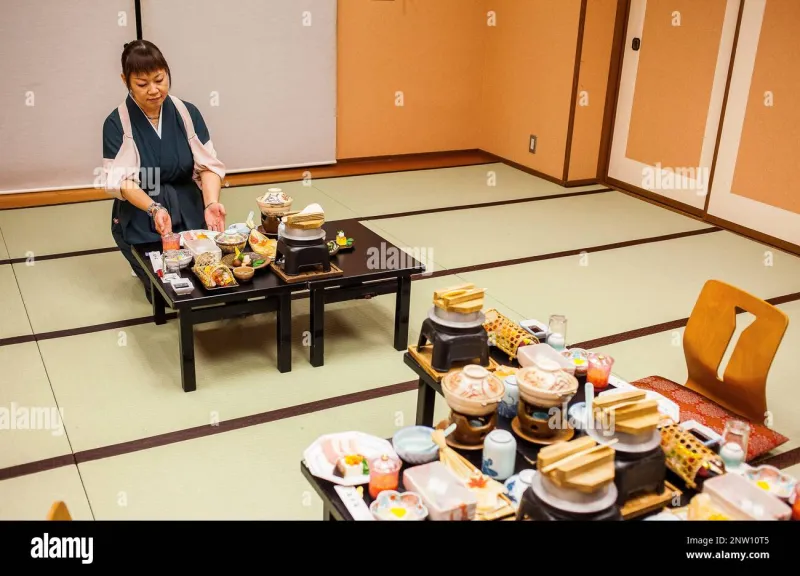
The low table, the floor cushions, the single lamp positioned to cast soft light toward the window — each piece is placed with the kind of care that most of us reserve for the centerpiece at a dinner party we've been planning for weeks. Nothing is there by default. Everything was considered.
For travelers arriving from the sensory overload of American daily life — the notifications, the open-plan offices, the 24-hour stimulation cycle — stepping into that kind of curated restraint can feel genuinely disorienting at first. Then, usually within an hour, it starts to feel like relief.
What the Room Is Actually Doing
Here's the thing worth sitting with: a ryokan room is designed to do something to you. Not in a manipulative way — in a genuinely generous one. The intention behind every object, every textile, every fragrance is to ease you into a particular state of presence.
The innkeeper doesn't need to ask how you're feeling or what you need. The room has already begun addressing that. It's hospitality that operates through environment rather than conversation, which is both more subtle and, honestly, more effective than most service interactions we encounter back home.
When you check into a ryokan and the door slides closed behind you and you're standing there in your socks on the tatami and the light is doing something soft and golden through the shoji screen — that feeling you get isn't accidental. Someone built it for you.
They just never told you they did.
Ready to find a room that was made for you? Explore traditional inns across Japan at on-yado.com.