Before You Even Wake Up, They've Already Started
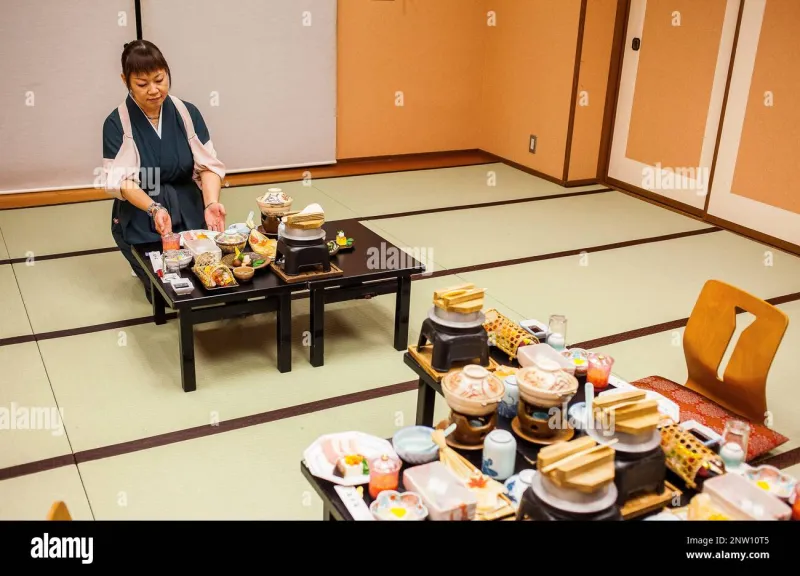
Photo: Japanese ryokan innkeeper preparing breakfast in traditional kitchen at dawn, via c8.alamy.com
Somewhere around 4 a.m., while you're still deep in the kind of sleep that only a futon on a tatami floor seems to produce, the woman who runs your inn is already in the kitchen.
She's not scrambling. She's not rushing. She moves through the pre-dawn quiet with the kind of calm that comes from doing something ten thousand times and believing in every single one of those repetitions.
This is the part of Japanese hospitality that nobody photographs. No travel blogger captures it. You won't find it on a highlight reel. But if you want to understand why a stay at a traditional Japanese inn feels so fundamentally different from checking into even the nicest hotel you've ever booked back home, this is where the answer lives.
The Hours Nobody Sees
At most ryokan and traditional inns across Japan, the day begins well before sunrise. The okami-san—the term for a female innkeeper, often the emotional and operational heart of the property—typically wakes between 3:30 and 5 a.m. depending on the size of the inn and the number of guests staying that night.
What happens in those early hours isn't just prep work in the logistical sense. It's closer to a ritual. A deliberate, practiced setting of intention for the day ahead.
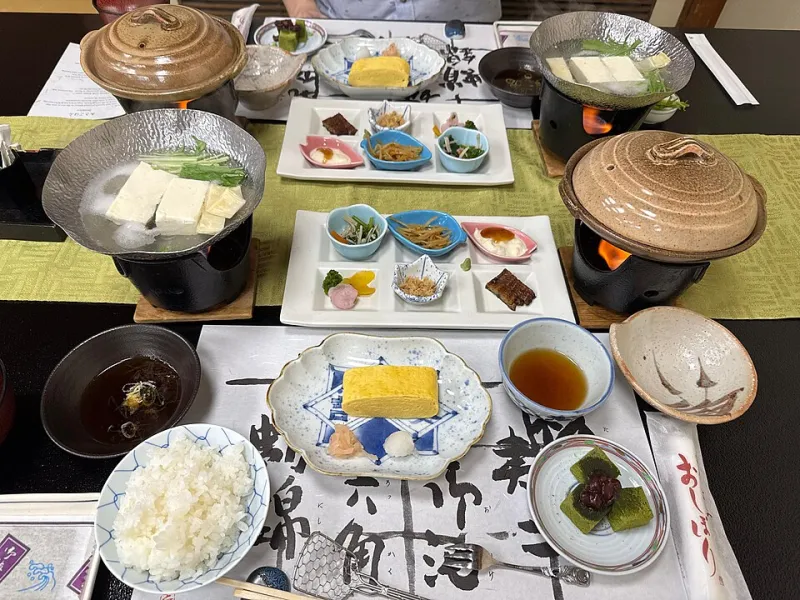
The kitchen fires come on first. Dashi—the foundational broth that anchors so much of Japanese cuisine—needs time. Real dashi, made from kombu and katsuobushi the way most ryokan kitchens still insist on making it, doesn't happen quickly. It requires attention and patience, two things that are genuinely hard to fake at 4 in the morning.
While the broth develops, seasonal vegetables get prepped. Rice is measured, washed, and started. If the inn serves local fish—and many do, sourcing directly from nearby markets or fishing communities—it's been selected, sometimes the night before, based on what looked best that morning at the dock.
All of this is happening before you've even considered what you want for breakfast.
Setting the Room Before You Return to It
The kitchen is only part of it. Guest rooms at traditional inns don't just get cleaned—they get reset. And that reset, in many cases, begins while guests are still asleep in other rooms.
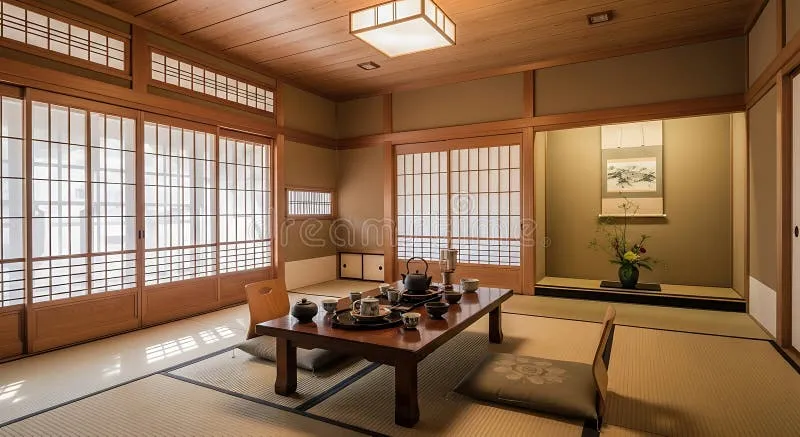
In smaller inns especially, the same person overseeing breakfast prep may also be thinking about how each guest room should feel when its occupant wakes up. Are the sliding screens positioned to catch the morning light without being intrusive? Has the incense been refreshed? Is the seasonal flower arrangement in the tokonoma alcove still looking right, or does it need to be replaced with something from the garden?
These aren't afterthoughts. They're deliberate choices made by someone who has been awake long enough to think clearly about them.
For American travelers used to the transactional nature of hotel housekeeping—where the goal is efficiency and the metric is turnaround time—this is a genuinely different orientation. The question isn't how fast can we get this done. It's what does this guest need to feel when they open their eyes.
Why It Starts Before Check-In
Here's something that surprises a lot of first-time ryokan guests: the preparation for your arrival begins before you get there, too.
When you book a traditional inn through a platform like On Yado, your innkeeper often reviews your reservation in the evening before your arrival day. Not just to confirm logistics, but to think about you specifically. Are you traveling as a couple celebrating something? Are you coming alone and arriving late? Did you mention any dietary needs, even casually?
That information shapes what happens the next morning. A couple celebrating an anniversary might find a small seasonal sweet waiting in their room when they check in—not because it's a standard amenity, but because someone decided it was the right thing to offer. A solo traveler arriving tired might be welcomed with extra care around the bath preparation, knowing that a long soak is probably the first thing they need.
None of this is scripted. It comes from the same instinct that gets an innkeeper out of bed at 4 a.m.: the belief that hospitality is something you do before anyone asks you to.
What This Means for How You Travel
Knowing this changes how you show up as a guest—in the best way.
When you arrive at a ryokan and the welcome feels almost preternaturally smooth, when the tea appears at exactly the right moment and the room is somehow already set up to suit your mood, it's tempting to chalk it up to magic or cultural mystique. But it's actually just work. Invisible, early-morning, deeply intentional work.
Respecting that work doesn't require anything dramatic on your part. It might just mean arriving on time, or being honest about your preferences when you book, or taking a moment to actually notice the small things—the way the tray is arranged, the temperature of the room, the quality of the light.
Those details didn't happen by accident.
The Philosophy Behind the Practice
There's a concept in Japanese culture called ma—a word that roughly translates to meaningful negative space, the pause that gives everything around it shape. In a musical context, it's the silence between notes. In architecture, it's the emptiness that makes a room breathable.
In the context of ryokan hospitality, ma shows up in the morning hours before guests are awake. That quiet time isn't empty—it's full of preparation and care. But it's also a kind of space that the guest never directly occupies, which is precisely what makes the result feel effortless.
You don't see the dashi being made. You just taste it. You don't watch the room being reset. You just walk into it and feel something settle in your chest.
That feeling—that sense of being genuinely looked after—is what people mean when they say a ryokan stay changed them. It's not one big dramatic gesture. It's a hundred small ones, most of them made before dawn, by someone who was already thinking about you while you were still asleep.
If that's not a reason to book your next trip around a traditional inn stay, we're not sure what is.