The Art of the Goodbye: How Ryokans Turn Checkout Into Something You'll Never Forget
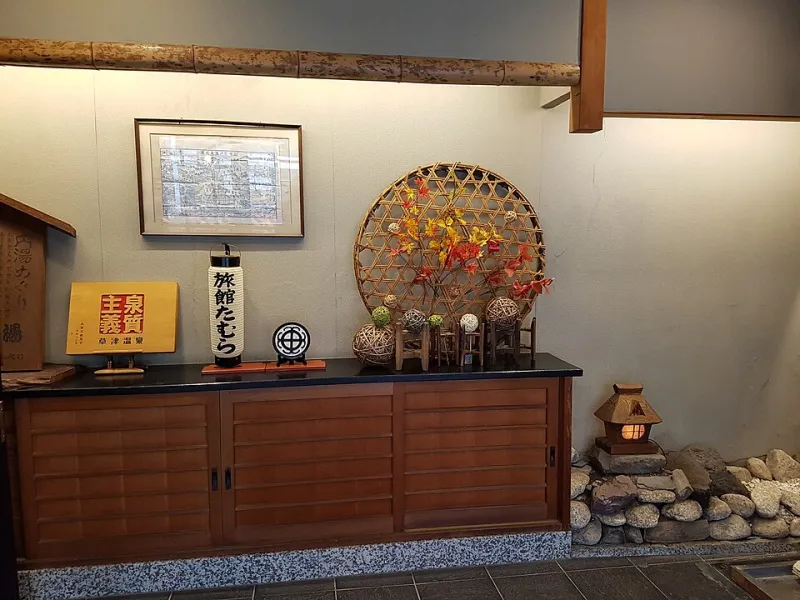
Photo: RachelH_, CC BY 2.0, via Wikimedia Commons
You've probably rushed through a hotel checkout before. Dropped the key card on the desk, grabbed your roller bag, maybe waved at the front desk person who was already looking at their screen. Done in thirty seconds. Forgotten before you hit the lobby doors.
Leaving a ryokan is nothing like that.
At a traditional Japanese inn, the departure is treated with the same quiet intentionality as the arrival — maybe even more so. There's a concept woven into Japanese culture called mono no aware, a bittersweet awareness of impermanence, the feeling you get when cherry blossoms fall or a perfect meal ends. Ryokans have been designing around that feeling for centuries. By the time you walk out the front gate, you'll understand why.
The Morning Starts Before You're Ready
Checkout at most ryokans is around 10 or 11 a.m., which sounds reasonable until you realize the final morning is packed with intention from the moment you wake up.
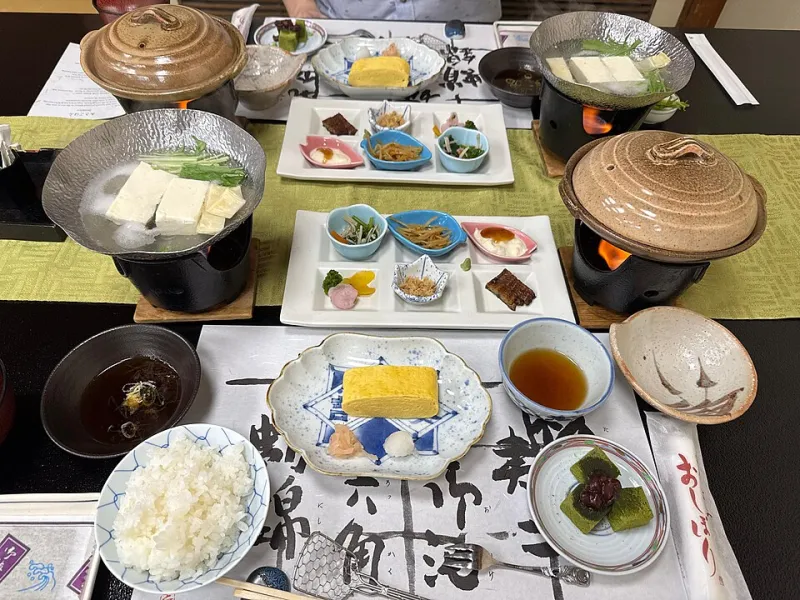
Breakfast is rarely rushed. You'll likely be served a traditional Japanese morning meal — miso soup, grilled fish, pickled vegetables, rice, maybe a soft-boiled egg — in a room that feels unhurried, even if the inn is quietly preparing for its next guests. The pacing is deliberate. Nobody is hovering. The meal itself is a kind of punctuation mark, a slow and satisfying close to whatever you experienced the night before.
If you soaked in the onsen the evening prior, many guests return for one last bath in the early morning hours. The water is still. The light is different. It feels less like a luxury and more like a ritual you've earned.
Your Room Gets Its Own Farewell
In many ryokans, the okami — the head innkeeper, often a woman who has spent decades mastering the art of hospitality — or one of the staff will come to your room before you leave. This isn't just to check that you haven't walked off with the yukata (though, for the record, most yukata are meant to be left behind unless the inn specifies otherwise).
It's a moment of acknowledgment. They'll ask how you slept. They might comment on the weather you're heading into. If you had a particularly good conversation at dinner, they'll remember it. If you mentioned you were celebrating something, they'll acknowledge it again. This isn't scripted customer service — or at least, it doesn't feel like it. It feels like a person who paid attention saying goodbye to someone they genuinely hosted.
For American travelers used to transactional hospitality, this moment can catch you off guard. A few guests have described feeling unexpectedly emotional. That's not an accident.
The Walk to the Gate
This is the part that gets people.
At many traditional ryokans — especially the older, more established ones in places like Kyoto, Hakone, or the Tohoku region — the staff will walk you out. Not just to the lobby. To the gate. Sometimes beyond it.
They bow as you leave. Some wave. Some stay at the entrance until you've rounded the corner and disappeared from view. If you look back — and most people do — they're still there.
In a culture where hospitality is considered a form of respect rather than a service transaction, this sendoff is the final expression of everything the inn tried to give you during your stay. You were a guest in their home. They want you to leave knowing that.
One traveler from Portland described it this way: "I've stayed at some incredible hotels. But I've never had a hotel staff stand at the door and watch me leave like they were sorry to see me go. I cried on the walk to the train station and I'm not even a little embarrassed about it."
Why the Goodbye Feels So Personal
Part of what makes ryokan farewells so affecting is everything that came before them. The staff has spent one, two, sometimes three days learning you. They know whether you prefer your tea strong or light. They noticed you skipped the second course last night. They saw you sitting in the garden at dusk and didn't interrupt.
By the time you're standing at the gate with your bag, you're not a reservation number. You're a person they actually know a little bit. And that changes the texture of the goodbye entirely.
This is the philosophy of omotenashi playing out in its most emotional form — anticipatory, attentive hospitality that doesn't end until you're completely gone.
What to Do With That Feeling
If you've never stayed at a ryokan before, knowing that the checkout will be this intentional can help you actually receive it rather than fumble through it.
A few things worth keeping in mind:
Don't rush. Build extra time into your departure morning. If your train leaves at noon, don't try to squeeze checkout into ten minutes. The morning is part of the experience.
Say something. Japanese culture values restraint, but a sincere thank-you — even in English — lands. If you can manage even a few words in Japanese (okagesama de, totemo tanoshikatta desu — "thanks to you, it was truly enjoyable"), it will be received warmly.
Let yourself feel it. Americans are sometimes conditioned to keep goodbyes efficient. This one isn't designed to be efficient. It's designed to be felt. Let that happen.
Consider a small gift. Bringing a temiyage — a small gift from your home region — to give to the staff on your last morning is a deeply appreciated gesture. It doesn't need to be expensive. Something locally made from your city or state signals thoughtfulness and reciprocity.
The Goodbye Is Part of the Trip
Travel writers spend a lot of time describing arrivals. The first impression, the reveal, the moment you walk into a beautiful space and feel your shoulders drop. But departures shape how we remember a place just as much — maybe more.
The Japanese have long understood that how something ends defines how it lives in memory. A ryokan checkout isn't a formality. It's a closing ceremony. It honors the time you spent there, acknowledges the connection that formed, and sends you back into the world with something harder to name than a souvenir but more lasting than any of them.
When you leave a ryokan, you don't just check out. You say goodbye to a place that, for a day or two, genuinely knew you.
And somehow, that makes all the difference.