The Little Notebook That Knows You Better Than Your Best Friend

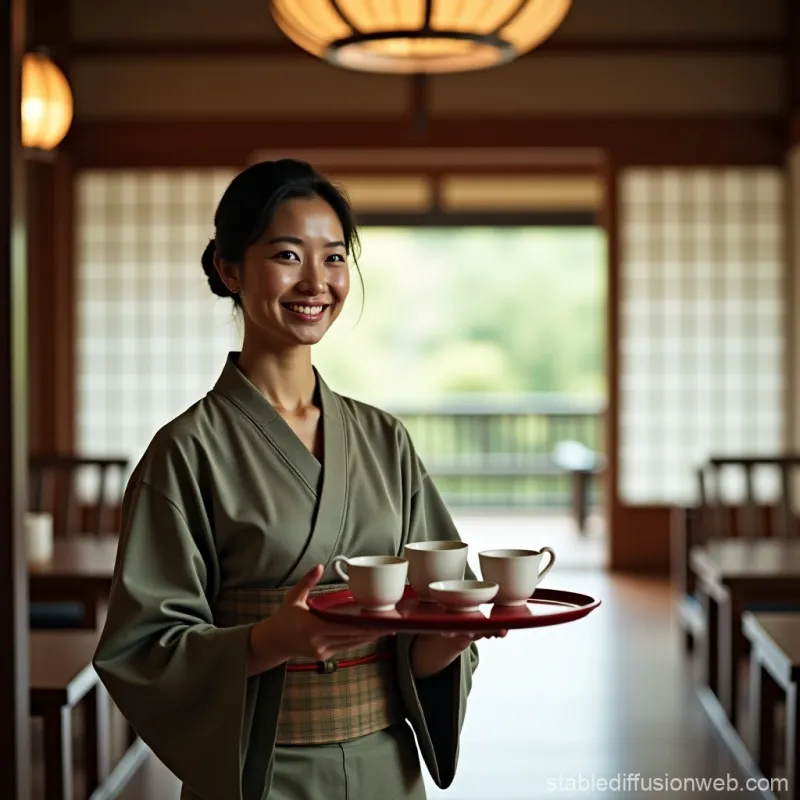
Photo: Japanese innkeeper writing notes in traditional ryokan, via ecdn.teacherspayteachers.com
You mentioned, almost offhandedly, that you preferred your yuzu tea without honey. You said it once, three years ago, on your first night at a small ryokan in Kinosaki. You forgot you said it.
Your innkeeper did not.
When you arrived for your second stay — different season, different room, same warm welcome — the tea appeared exactly as you liked it. No honey. A small dish of pickled plum on the side because, as the innkeeper recalled, you'd reached for one at the communal breakfast and seemed delighted.
This isn't magic. It's methodology. And it's one of the most quietly radical things happening in Japanese hospitality today.
More Than a Guestbook
Most hotels track you in some form. Your loyalty number follows you from city to city, pulling up a profile that tells the front desk you prefer a high floor and once complained about a noisy HVAC unit. That's useful. But it's also cold — a data point dressed up as personal service.
What Japan's traditional innkeepers do is fundamentally different. At many ryokan, the head innkeeper — often called the okami — maintains something closer to a personal journal than a customer record. It might be a physical notebook, worn soft at the edges. It might be a shared digital document that the whole staff can quietly update. Often, it's both.
The entries aren't just about preferences. They're observations. Guest arrived tired. Seemed relieved when offered slippers immediately. Husband walks with a slight limp — left side. Offered low floor room without being asked. Or: First visit to Japan. Nervous about onsen etiquette. Walked her through it gently before dinner. Seemed more relaxed by morning.
These aren't transactional notes. They're the beginning of a relationship.
The Philosophy Behind the Practice
To understand why innkeepers keep these records, you have to understand omotenashi — the Japanese concept of hospitality that's less about service delivery and more about anticipating needs before they're voiced. It's the difference between a waiter who refills your water when you ask and one who refills it the moment you take your last sip.
Omotenashi asks innkeepers to pay attention in ways that most Western hospitality culture simply doesn't prioritize. And paying attention, over time, creates a body of knowledge. The notebook — whatever form it takes — is just the storage system for that attention.
For many okami, keeping these records is a point of quiet professional pride. Some have guest files that span decades. A family that first visited in the 1990s might have entries that stretch across three generations: the grandparents who loved the mountain-view room, the daughter who visited for her honeymoon, the grandchildren who now come every New Year.
The inn doesn't just remember the guests. It holds them.
What Goes Into the Notes
If you could peek at one of these guest diaries — and you almost certainly never will, because discretion is as important as detail — here's the kind of thing you might find:
Food and drink preferences. Not just allergies (though those are always flagged), but subtler things. Prefers lighter dashi. Tends to leave the fish skin. Loves anything with sesame. Doesn't drink alcohol but seemed to enjoy the non-alcoholic plum drink at dinner.
Physical and comfort needs. Runs cold — extra futon requested both previous stays. Prefers the room farthest from the communal bath for privacy. Mentioned lower back pain; firmer pillow arrangement seemed to help.
Emotional context. Celebrating an anniversary. Recovering from a difficult year at work. First solo trip after a divorce. Came to scatter a parent's ashes at a nearby temple. These notes aren't gossip. They're a reminder to handle this particular guest with particular care.
Seasonal observations. What was blooming when they last visited. Which dish they raved about. Whether the timing of the firefly season aligned with their stay and how much they seemed moved by it.
Personal details shared in conversation. A daughter's name. A hometown. A job that involves a lot of travel. Small things that, when remembered and gently referenced on a return visit, make a guest feel genuinely seen.
Analog and Digital, Side by Side
You might assume that younger innkeepers — those who inherited ryokan from parents or grandparents, or who opened new properties with a modern sensibility — have abandoned the notebook for spreadsheets and property management software. Some have. But many haven't gone fully digital, and the reason is worth understanding.
Handwriting forces slowness. It requires the innkeeper to synthesize the day's observations into something worth recording, rather than dumping raw data into a field. The physical act of writing this guest loves chrysanthemum motifs and cried a little watching the autumn leaves is an act of interpretation, not just documentation. It keeps the human at the center.
That said, digital tools have made certain things easier — especially for inns with multiple staff members who all need access to the same guest history. A shared note in a simple app means the young staff member who serves breakfast knows the same things the okami knows. The care becomes institutional, not just personal.
The best inns use both. A running digital log for the operational stuff. A personal notebook for the things that feel too human to reduce to a form field.
What This Means for You as a Traveler
If you're planning a trip to Japan and considering a ryokan stay — which, honestly, you should be — knowing about this practice changes how you might think about your visit.
First: don't be shy about sharing. If you mention a food sensitivity, a preference, a hope for your trip, a personal milestone you're marking — your innkeeper isn't just being polite when they listen carefully. They're filing it away. Not in a creepy way. In a I want to make this perfect for you way.
Second: return visits pay off. The ryokan experience compounds. Your second stay will almost certainly be better than your first, because the inn already knows you. Your third stay better still. There's something genuinely moving about being known by a place — about arriving somewhere and feeling, almost immediately, that you belong there.
Third: understand that you're part of something bigger. When an innkeeper notes your visit, you're becoming part of that inn's living history. Decades from now, someone might flip through a record that includes your name, the season you visited, the dish you loved. That's not a small thing.
A Different Kind of Loyalty Program
American travelers are used to earning points. Accumulating status. Getting upgrades based on how many nights they've logged in a system. There's nothing wrong with that — it's efficient, and it rewards loyalty in a tangible way.
But the loyalty that builds between a guest and a Japanese innkeeper is something else entirely. It's not transactional. It's not tracked in a points balance. It lives in a notebook, in a memory, in the way a cup of tea arrives without honey because someone paid attention, years ago, and decided that detail was worth keeping.
That's the kind of loyalty that doesn't expire. And it might be the best reason of all to book a ryokan for your next trip to Japan.