While You Were Sleeping, They Were Already Working: Inside the Ryokan's 5 AM World
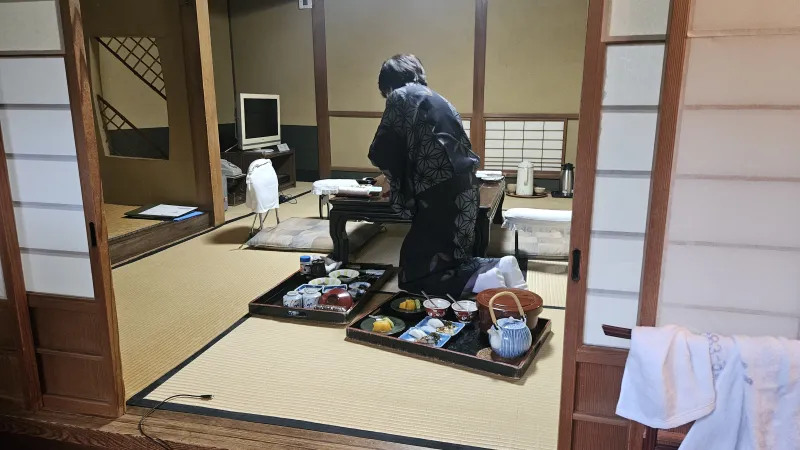
Photo: Japanese ryokan innkeeper preparing traditional breakfast early morning kitchen, via blogger.googleusercontent.com
The alarm doesn't go off at 5 AM at most Japanese inns. It doesn't need to. Many ryokan proprietors — the okami (the inn's mistress) and bantou (the head manager) among them — are already awake, already moving, already preparing for a day that won't officially begin for guests for another three or four hours.
If you've ever stayed at a traditional Japanese inn and thought, "How does everything feel so... ready?" — this is your answer.
The Day Starts in the Dark
At a small family-run ryokan in Kinosaki Onsen, the okami is typically in the kitchen by 4:45 AM. Not because someone told her to be. Because that's when the rice needs to start. And the rice, she'll tell you, cannot be rushed.
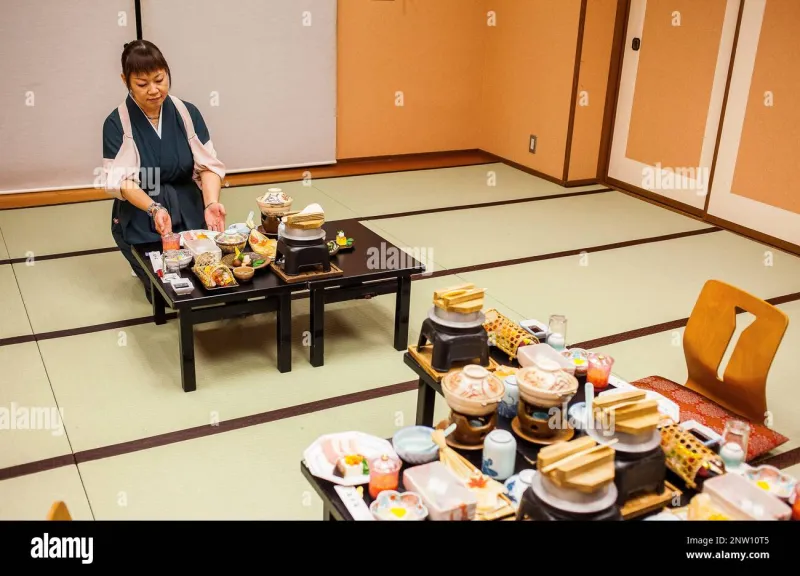
In many ryokan kitchens across Japan, the morning meal is treated with the same seriousness as the elaborate multi-course kaiseki dinner the night before — sometimes more. The ingredients for breakfast are often sourced locally, seasonally, and with intention. Grilled fish, pickled vegetables, tofu, miso soup, soft-cooked egg — none of it happens by accident, and none of it happens fast.
This isn't prep work in the way an American hotel kitchen might think of it. It's closer to ceremony.
The Garden Comes First
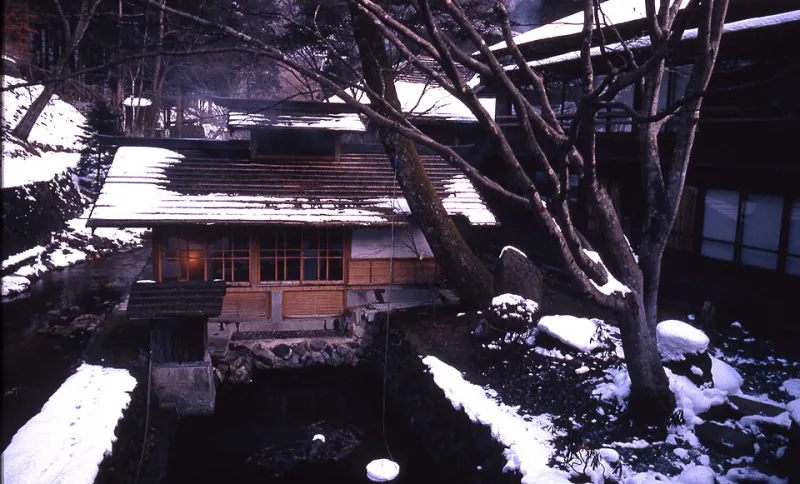
Before a single burner gets lit in some inns, the garden gets attention. Raking gravel paths, trimming low-hanging branches, wiping dew from stone lanterns — this is often the first physical act of the day for the inn's groundskeeper or, at smaller properties, the innkeeper themselves.
Why does it matter? Because in Japanese aesthetic philosophy, the state of a garden reflects the state of the mind that tends it. Guests may not consciously notice that the moss was patted back into place before 6 AM, but they feel it. The overall sense of calm that greets you when you slide open your shoji screen and look outside — that's not accidental. It was built, quietly, while you slept.
Every Room Gets Thought About
One of the more quietly remarkable things that happens in the early morning at a well-run ryokan is what some staff describe as a kind of mental walk-through of each guest room.
The okami or a senior staff member will often review notes from the previous evening — what a guest mentioned at dinner, whether someone seemed tired or under the weather, whether a couple appeared to be celebrating something. These details get folded into the morning's preparation. A small seasonal flower arrangement might get adjusted. A particular tea might get set out. A note might be written.
This is omotenashi in its most invisible form: hospitality that anticipates rather than reacts. And it's happening at 5:30 in the morning, before you've even thought about waking up.
The Hot Springs Don't Run Themselves
If your ryokan has an onsen — and many do — someone has been monitoring and adjusting the baths since before dawn. Water temperature, mineral balance, cleanliness: all of it requires hands-on attention that guests rarely think about.
At larger inns with multiple bath facilities, the morning onsen check is a dedicated task. At smaller family-run properties, it might be the owner themselves crouching beside the stone tub, testing the water with a practiced hand, adjusting the flow, skimming the surface.
The reason this matters for American travelers specifically: we tend to think of amenities as either working or not working. The hot spring is either hot or it isn't. What we don't often consider is the human effort behind the consistency — the reason it's always perfect every time you step in.
The Quiet Philosophy Behind All of It
Talk to enough ryokan owners and a phrase comes up again and again: katachi wo tsukuru, which loosely translates to "creating the form" or "building the shape." The idea is that the physical act of preparation — even unseen preparation — gives shape to the experience that follows.
One innkeeper in Hakone put it this way: "When I arrange the breakfast tray, I'm not just placing dishes. I'm placing the morning for that person. I'm deciding what their first impression of the day will be."
That's a different relationship to hospitality than most Americans have encountered. We're used to service that responds to us. Ryokan hospitality, at its best, precedes us.
What This Means for How You Travel
Knowing about the 5 AM world changes things — practically and emotionally.
Practically: it helps explain why ryokan stays often feel more expensive than equivalent hotel nights. You're not just paying for a room and a meal. You're paying for hours of invisible labor that happened before you arrived at the breakfast table.
Emotionally: it invites a different kind of gratitude. When you sit down to that perfectly arranged breakfast tray, or step into that perfectly tempered bath, you're not just consuming a service. You're receiving something that someone woke up before dawn to give you.
That shift in perspective — from consumer to guest, in the fullest sense of the word — is one of the things that makes a ryokan stay genuinely different from any other accommodation experience.
A Small Thing You Can Do
If you're staying at a ryokan and you happen to be an early riser, consider taking a quiet walk through the inn's common spaces around 6 or 6:30 AM. Not to be in anyone's way — but to witness. You might catch a staff member placing a fresh flower in an alcove. You might see the kitchen light on and hear the low sound of something simmering. You might notice the garden looking impossibly serene.
You don't need to say anything. Just notice. The people who work at traditional Japanese inns aren't looking for recognition for what they do before breakfast. But noticing it — really seeing it — is its own form of respect.
And honestly? It might be the most quietly moving moment of your whole trip.
Planning your first ryokan stay? Browse traditional inns across Japan on On Yado and find the kind of place where the morning starts long before you do.