Book Now or Book Later? A Realistic Timing Guide to Ryokan Reservations in 2026
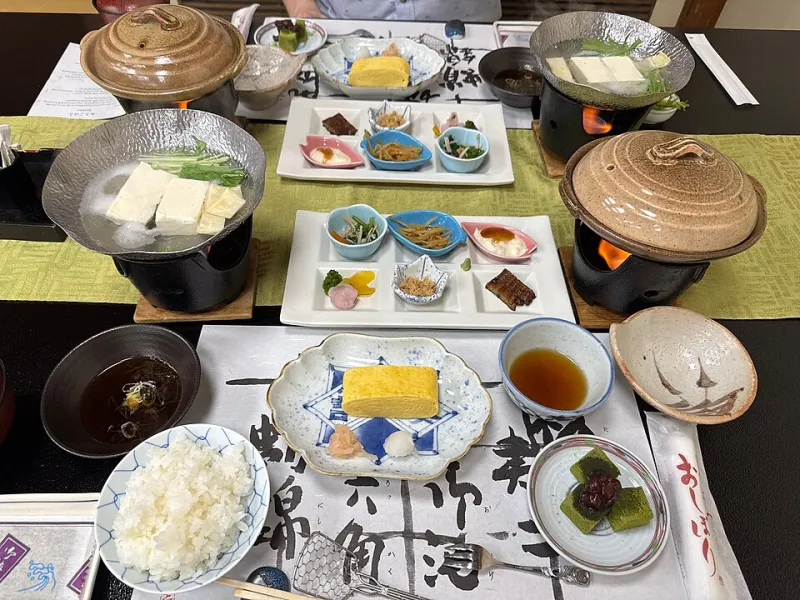
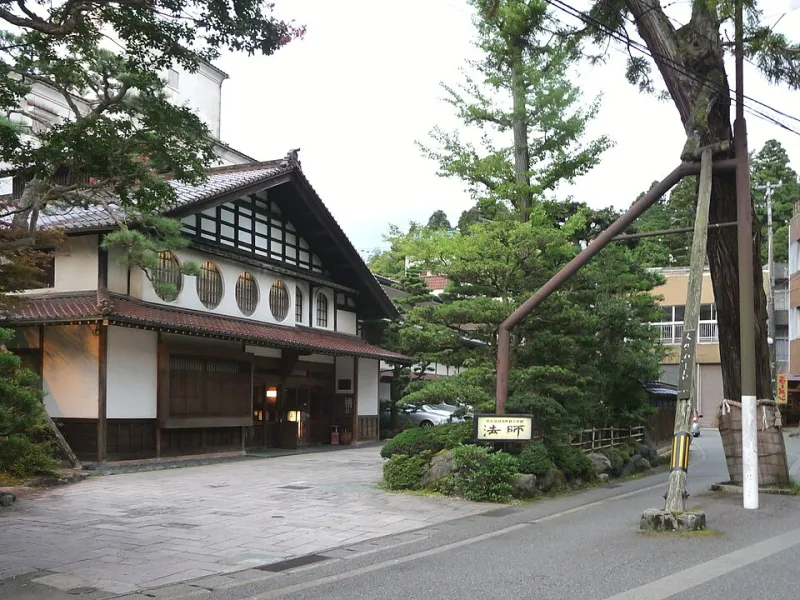
Photo: Joli Rumi, CC BY-SA 4.0, via Wikimedia Commons
Ask ten people how far ahead you should book a Japanese inn and you'll get ten answers, most of them delivered with unearned confidence. The truth is that ryokan booking doesn't run on one deadline. It runs on a rhythm, and the rhythm changes with the season, the town, and the size of the inn you're eyeing.
Here's the good news: once you understand that rhythm, the whole thing gets dramatically less stressful. You stop refreshing booking pages at midnight and start making a handful of decisions at the right moments.
Start with the uncomfortable math
Most traditional inns are small. Not boutique-hotel small — genuinely small. Eight rooms. Twelve. Fifteen if it's a big property. A single wedding party or a company retreat can absorb half the building on a Tuesday.
So when someone tells you a famous onsen town is "booked solid" for a given week, they usually mean it. There is no hidden floor of rooms waiting for the flexible traveler.
But here's the flip side that almost nobody mentions: plenty of inns don't open their calendars a full year out. Many release inventory three to six months ahead, and some smaller family-run places still take reservations by phone or email on a rolling basis. Which means booking twelve months early isn't just unnecessary — it's often impossible.
Cherry blossom: the six-month ceiling
Late March through early April is the single most competitive window in Japanese travel, and it's not close. Kyoto, Kanazawa, Takayama, and anywhere within a train ride of a famous park fill up fast.
For a cherry blossom stay, aim to book six months out. If today is November 2026 and you're dreaming about early April 2027 under the trees in Maruyama Park, you're not early — you're right on time, and in another six weeks you'll be scrambling.
One useful trick: cherry blossom dates shift. Ueno and Kyoto peak first, then the wave rolls north. If you're flexible, the first week of April in a smaller castle town like Matsumoto or Kakunodate can be easier to book and just as beautiful.
Fall foliage: the long game
Mid-November is peak season in Kyoto and the surrounding hills — which is to say, right now. If you're reading this and hoping for a last-minute foliage ryokan in Higashiyama, temper your expectations.
For foliage 2027, the calendar works like this: book the iconic locations in January or February, mid-tier towns by spring, and lesser-known mountain villages three to four months out. Foliage tourism is intensely concentrated, so a single street of maples can distort the entire market for a fifty-mile radius.
Snowy onsen towns: shorter than you think
Here's where conventional wisdom gets it wrong. Ski-and-soak towns like Nozawa Onsen and Yudanaka feel like they should be booked a year out. Most aren't.
Three to five months ahead is comfortable for a January or February stay, and midweek dates in January frequently remain available six weeks out. The weekends around New Year are the exception — those behave like cherry blossom season and should be treated accordingly.
The off-peak truth: waiting actually works
Now the part that will annoy people who book everything nine months in advance out of principle. For huge chunks of the year, you can wait.
Late May after Golden Week, June, September, early October, and most of February are quietly excellent. Fewer crowds, lower rates, better odds of a room with a view that wasn't spoken for in August. In these windows, three to eight weeks ahead is genuinely fine, and smaller towns can sometimes be booked with ten days' notice.
To be clear: this isn't a strategy for the marquee weeks. It's a strategy for the other forty-something weeks of the year that most travelers ignore.
What "sold out" really means
Online booking engines show you allocated inventory, not necessarily every room in the building. Calling or emailing directly — even in simple English — occasionally surfaces something the platform didn't. And cancellations cluster at the 30, 14, and 7-day marks, so a sold-out week in June can quietly reopen.
The two traps
Booking too late is the obvious one: you end up in a business hotel outside town, eating convenience store onigiri, wondering what could have been.
Booking too early is the sneakier failure. Because many inns haven't released dates yet, eager planners end up panic-booking whatever is available, which is often the larger, more corporate property that lists early. You pay more for less character and never realize a better option opened up two months later.
A simple way to run it
- Anchor nights: book the two or three ryokan stays you actually care about as soon as the calendar permits — six months for peak, three for shoulder.
- Flexible nights: leave the middle of your trip loose. Cities have depth; a Tokyo or Osaka hotel can be booked late without heartbreak.
- Set a reminder: check back at 90, 45, and 21 days for the inn you really wanted. Cancellations are real.
You don't need to beat the system. You just need to know which weeks the system is actually fighting over — and which ones it isn't.