The Room With the View Is Now the Room With the Queue
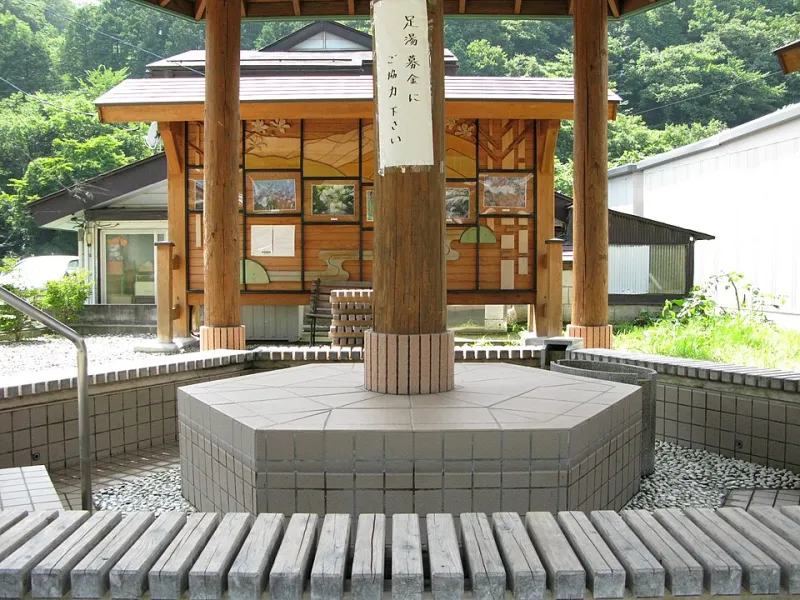
Photo: Yukihito Ikoma from Okegawa-shi, Saitama, Japan, CC BY-SA 2.0, via Wikimedia Commons
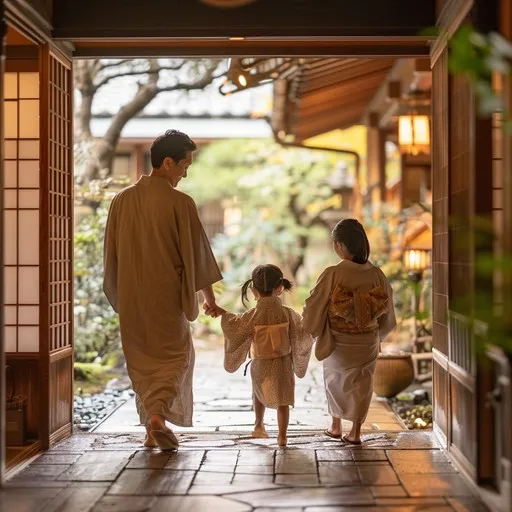
There's a photograph that has quietly become one of the most reproduced images in travel: a steaming outdoor bath, snow drifting past, a mountain beyond — a ryokan in rural Japan, empty except for the viewer. It's a beautiful image. It's also, increasingly, a lie. The real version of that scene now often includes a booking calendar that sold out eleven months ago, a queue for the bath, and a host too exhausted to remember why they got into this business.
Japan logged more than 36 million inbound visitors in a recent record year — nearly triple the numbers of a decade ago — and the growth keeps coming. The big cities have absorbed it with expansions and new builds. The traditional inns have not. And that mismatch is becoming one of the most interesting tensions in travel right now.
Built for Eight Guests, Famous for Eight Million
The fundamental problem is arithmetic. A small ryokan might have eight rooms. One innkeeper family. A kitchen that plates every meal by hand. This model was never designed to scale — it was designed to be unscalable. The intimacy is the product. You cannot mass-produce the feeling that the whole operation exists around you.
Then a photo goes viral. A travel influencer with a larger following than the inn's home town has population posts the bath, the breakfast tray, the corridor with the light falling just so. Suddenly a place that hosted 2,000 people a year for three generations is fielding 200 inquiries a day.
Some innkeepers describe the shift with quiet bewilderment. They never advertised. They never asked for fame. Their reputation traveled by word of mouth over decades, and now it travels by algorithm in hours.
The Guest Who Came for the Photo
Ask anyone who works in these inns and a pattern emerges: a growing share of guests arrive with the image already in mind. They know the shot they want. The stay is a production schedule — arrive, photograph, leave, sometimes skipping the very meals and baths that justify the price.
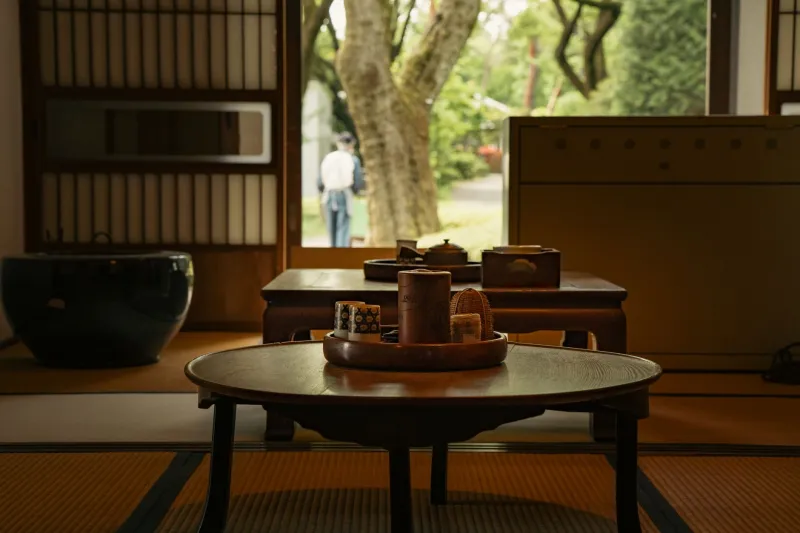
There's nothing inherently wrong with wanting a beautiful photo. But the ryokan experience runs on a different clock. The value is in the slow dinner, the second soak, the hour of nothing. A guest who treats the inn as a backdrop gets less out of it — and, more corrosively, changes the atmosphere for everyone else. Quiet, the core product, is not something eight rooms can provide when all eight rooms are full of ring lights.
Booking Platforms and the Price of Visibility
Layer on another pressure: the online travel agencies. Global booking sites brought small inns a pipeline of guests they'd never have reached — but at commissions of 15% or more, and with a review economy that rewards the wrong things. A ryokan's genius was never a 55-inch TV or a rain shower; it was the innkeeper who noticed you were cold. That doesn't photograph for a star rating.
Some small inns have made the counterintuitive choice to leave the big platforms entirely, betting that the right guests will find them the old way — through word of mouth, through specialist sites, through travelers willing to do a little homework. It's a risky bet. It's also a statement of values.
What Defends the Experience
Here's the optimistic read: the same forces threatening the quiet ryokan are also making it more precious. As mass tourism concentrates in the same fifteen photo spots, the inns that protect their slowness become rarer, and rarity is exactly what thoughtful travelers are hunting for.
The defense, realistically, looks like this:
- Inns that cap their own occupancy, declining bookings even when they're empty-ish, because the guest experience outruns the revenue.
- Travelers who come for the stay, not the shot — who book two nights instead of one, eat both meals, and put the phone down after the first bath.
- Platforms and writers who curate rather than amplify, pointing people toward the inns that can actually host them well.
The Question Worth Asking
Can Japan's quiet inns survive Instagram? The honest answer: the famous ones probably can't stay what they were. But the hundreds of small, unnamed, extraordinary ryokans across the country — the ones nobody has photographed yet — can. They're out there, in the valleys and the coastal towns, run by families who will remember your name and your pickle preference.
The real question isn't whether the inns will survive. It's which kind of traveler we decide to be when we find them.